
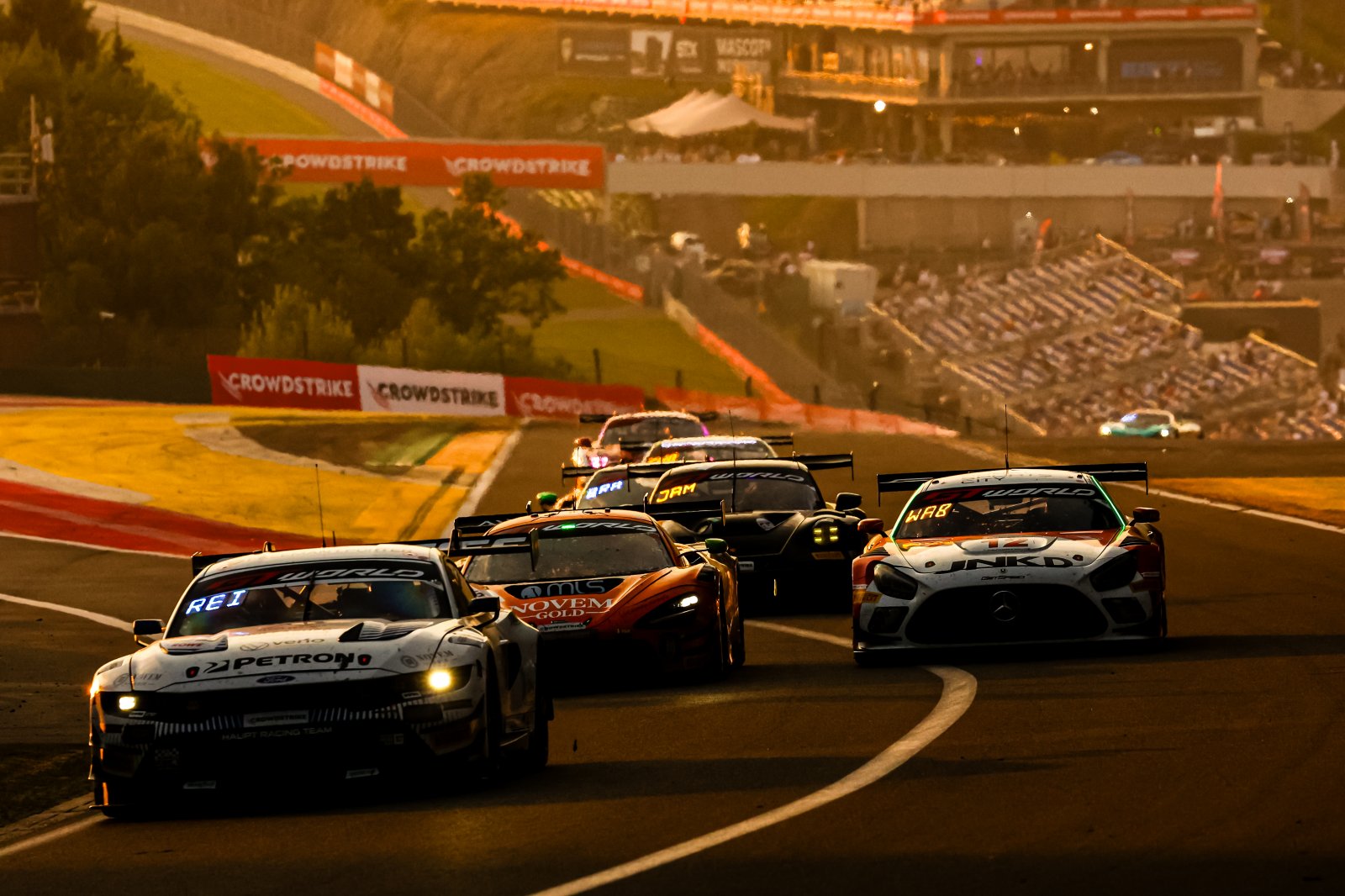
Spa-Francorchamps is considered by many to be the spiritual home of GT3 racing. The 7km venue in the Belgian Ardennes has been instrumental in the growth of the category, particularly since it became the premier class at the 24 Hours of Spa in 2011.
This fact was not lost when the GT3 Revival Series staged the second round of its maiden season at the track in May, joining a remarkable array of machinery at Spa Classic. Next year it will be even more evident following the announcement that the retro championship will be part of support line-up for the 24 Hours of Spa for the first time.
The success of GT3 and the 24 Hours of Spa are intrinsically linked. While the switch from touring cars to GTs in 2001 was clearly very important in returning the event to international prominence, it could be said that an even more seismic shift occurred in 2011.
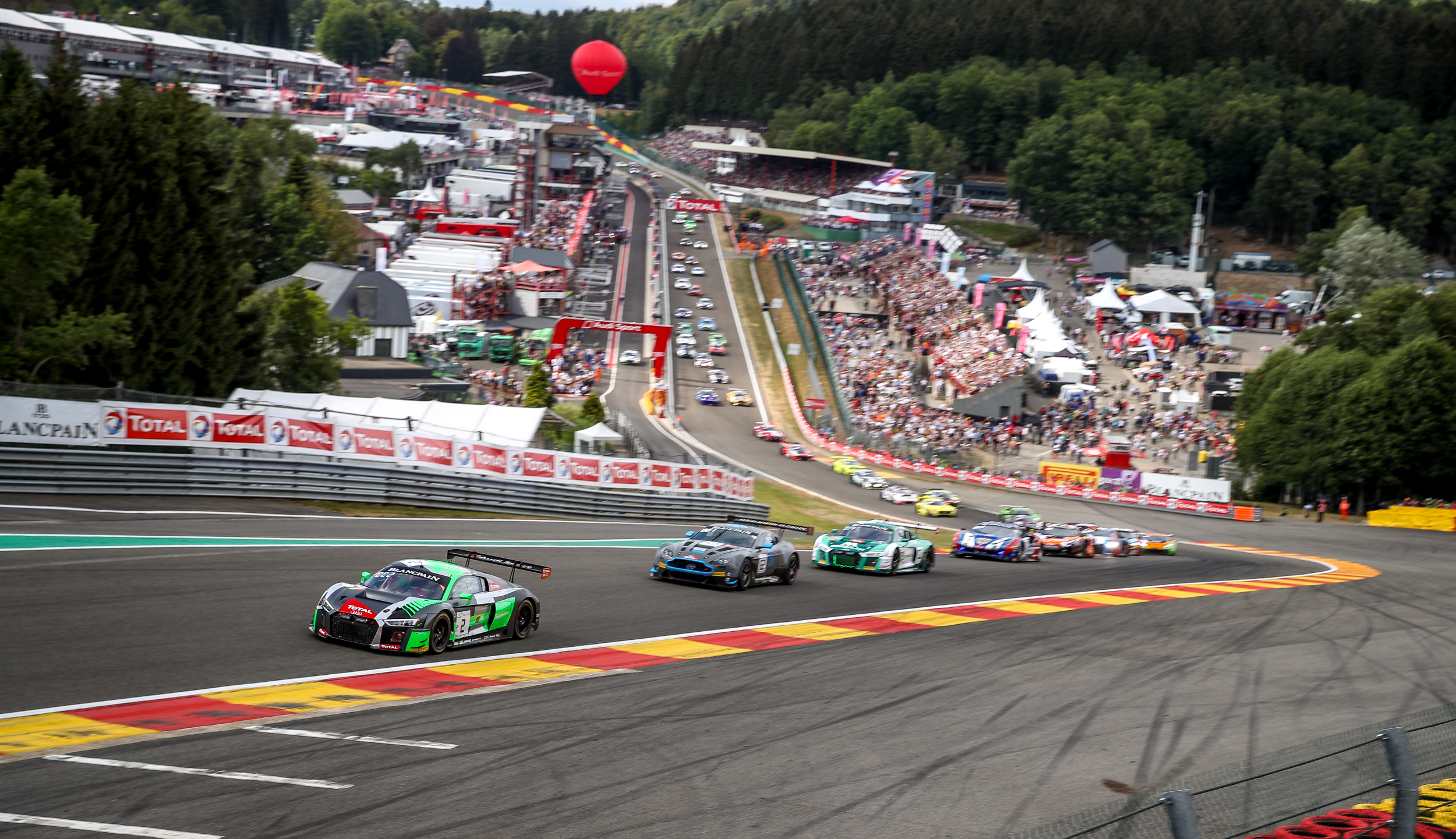
Similarly, it is impossible to imagine GT3’s rapid rise to become the most popular racing formula in the world without its flagship event. Spa instantly became a showcase for GT3 – and what a show it’s been.
Created by Stéphane Ratel in collaboration with the FIA, the GT3 category was launched in 2006 to bring down costs and better serve amateur drivers. The inaugural FIA GT3 European Championship ran two support races during that year's 24 Hours of Spa, with local driver Frédéric Bouvy winning both alongside Patrick Bornhauser.
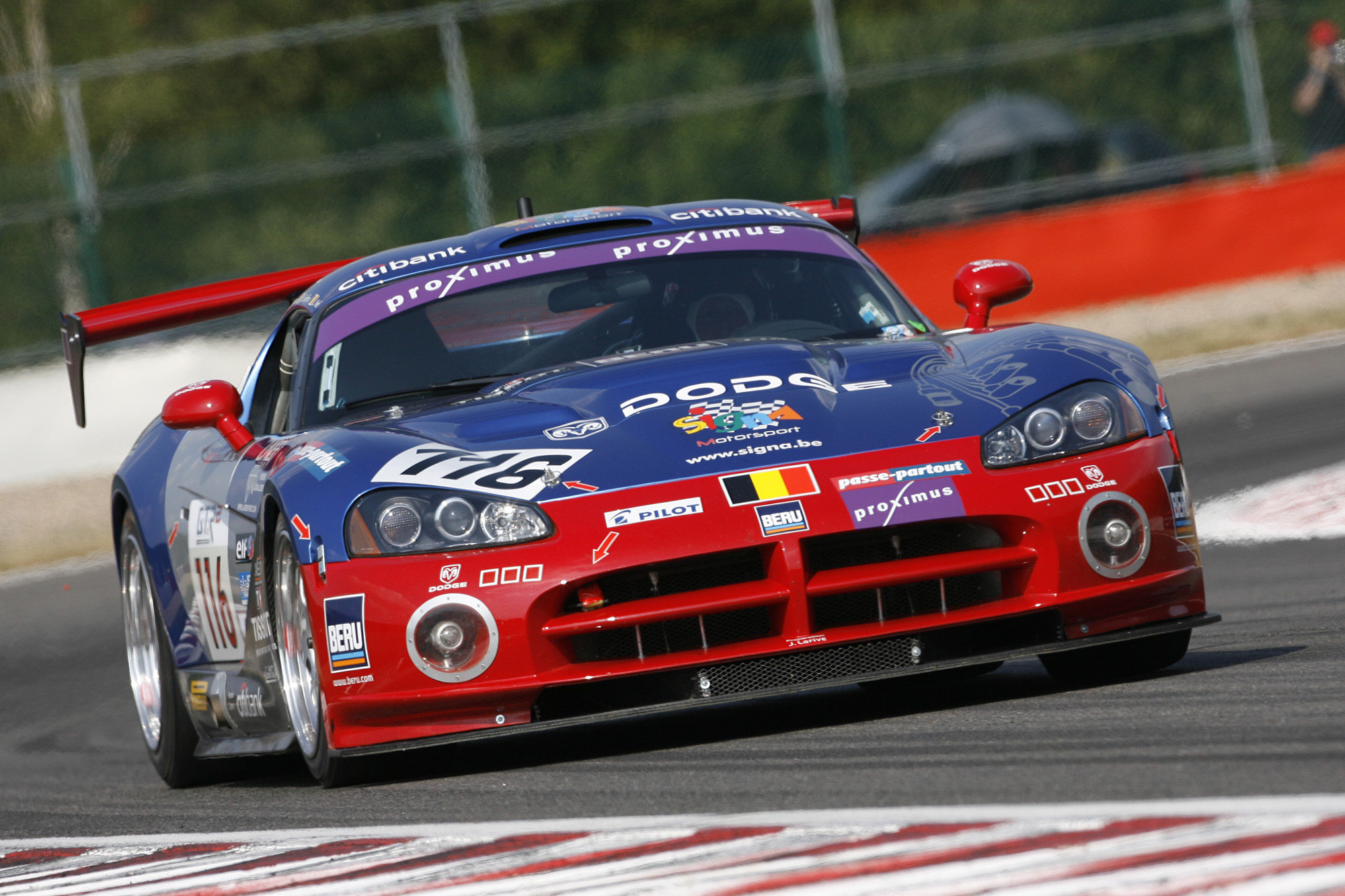
But GT3 was destined to be much more than a support act. As well as this standalone race, in 2006 the new category was represented by 10 cars competing in the 24 Hours. The Signa Motorsport Dodge dominated the Group 3 (G3) class, finishing 17th overall, albeit 78 laps behind the victorious Maserati MC12 GT1.
In 2007, along with Group 3, now reserved for FIA GT3-homologated cars, two teams participated in the Coupe Du Roi. Actually, we should say that there were six cars. At the time, GT3s were modified production models, built for one-hour sprints. So, a novel ideal was hatched whereby teams could compete in a relay format using three identical cars. With its trio of Ferrari F430s, the JMB Racing team triumphed over S-Berg Racing’s Lamborghini Gallardos.
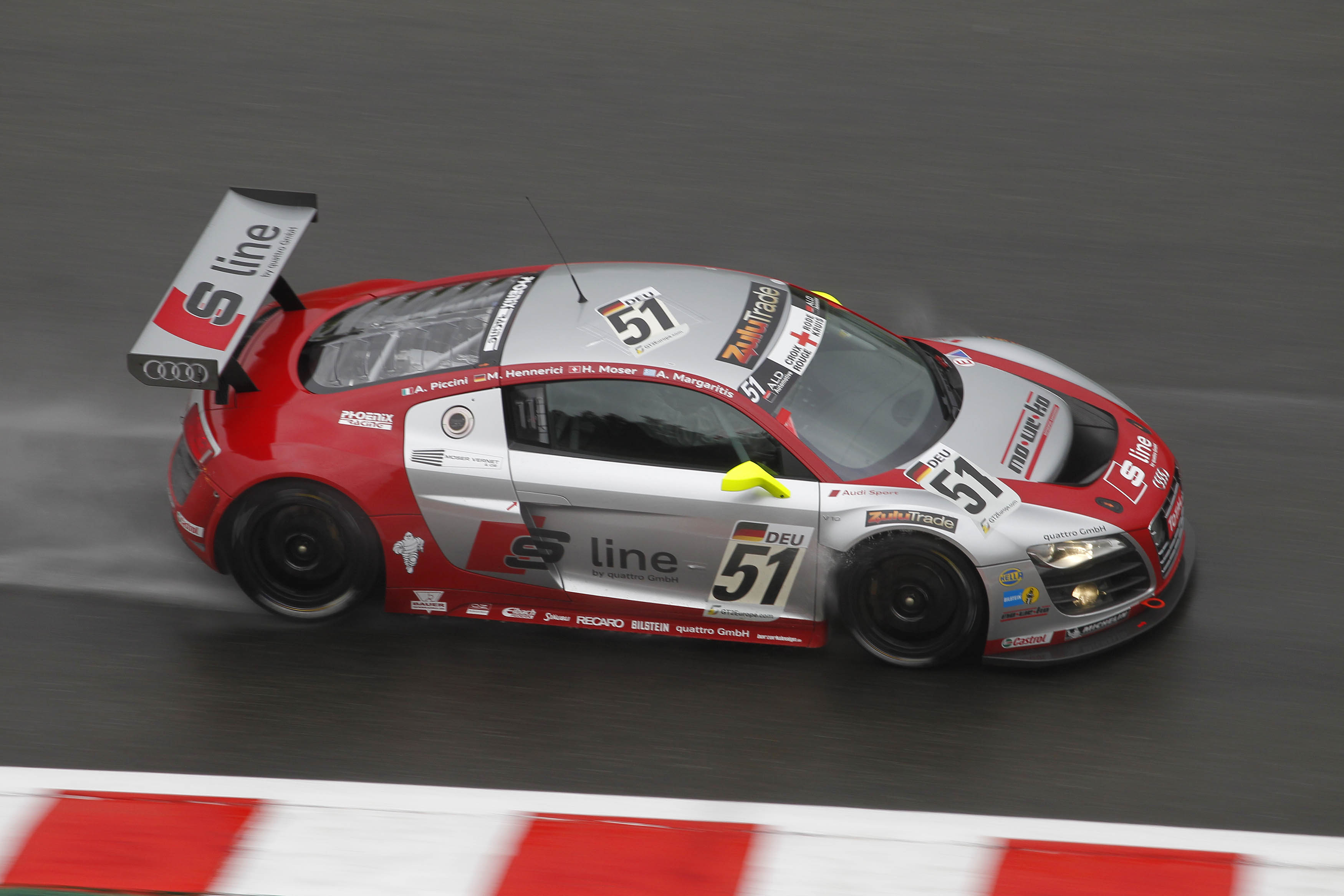
In 2009 a GT3 car finished in the top 10 for the first time when Matech’s Ford GT took G3 honours and placed seventh overall; of note, its line-up included a Belgian rising star named Maxime Martin. That same year, an Audi R8 LMS attracted considerable attention. Entered by Phoenix Racing in a barely concealed collaboration with Audi Sport, it was based on the Audi GT3 but ran in Group 2 and featured several upgrades for endurance racing. Its third-place finish foreshadowed a revolution.
The ground really shifted in 2010. With 21 cars the GT3 class, as it was now known, formed more than half of the field. Though a Porsche won, the biggest story was Audi, which brought seven examples of its new R8 LMS. Significantly, while many of the early GT3 cars had been produced by specialist constructors – such as Callaway (Corvette), Michelotto (Ferrari) and Alpina (BMW) – the R8 was built by the brand’s burgeoning customer racing department.
The 24 Hours quickly became a lynchpin for customer GT3 racing, whereby manufacturers produced cars to sell to teams. It would be fundamental to the success of the event, with almost every participating brand adopting a similar strategy over the coming years.
In 2011, the 24 Hours was effectively a GT3 race. The category was responsible for 58 of the 62 cars, joined by a quartet of GT4 machines. This coincided with the launch of the Blancpain Endurance Series – now known as GT World Challenge powered by AWS – which placed Spa at the heart of its calendar.
The rest is history. GT World Challenge continues to lead the way in global GT3 racing, with the CrowdStrike 24 Hours of Spa as its marquee event. The Intercontinental GT Challenge, launched in 2016, also considers the 24 Hours to be its centrepiece. Today’s cars can match the performance of the GT1s – with the added bonus of extra reliability.
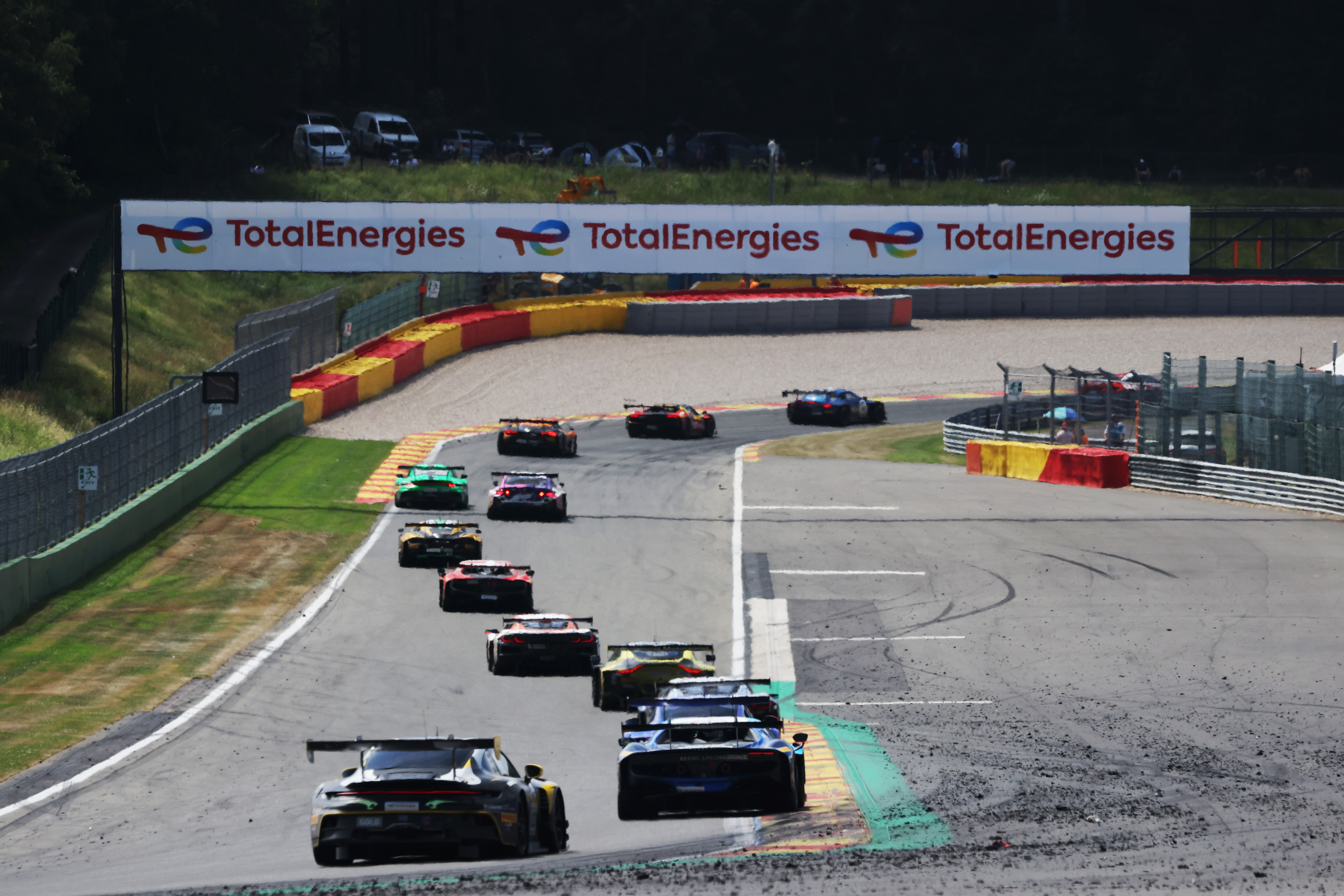
This year, a field of 69 GT3 cars contested the race, two thirds of which were classified finishers – there’s certainly no need for a three-car relay! What’s more, they covered a comparable distance to the GT1 cars that dominated 20 years ago.
When it comes to lap times, GT3 has made remarkable progress. At the 2024 edition, Franck Perera took Superpole in his Grasser-run Lamborghini Huracán EVO2 with a time of 2m13.718s – the fastest of the GT era, surpassing even the GT1s. In 2026, it can be said that GT3 is stronger than ever; so too is the 24 Hours of Spa. Each owes the other a debt of gratitude for what has been a remarkably successful relationship.
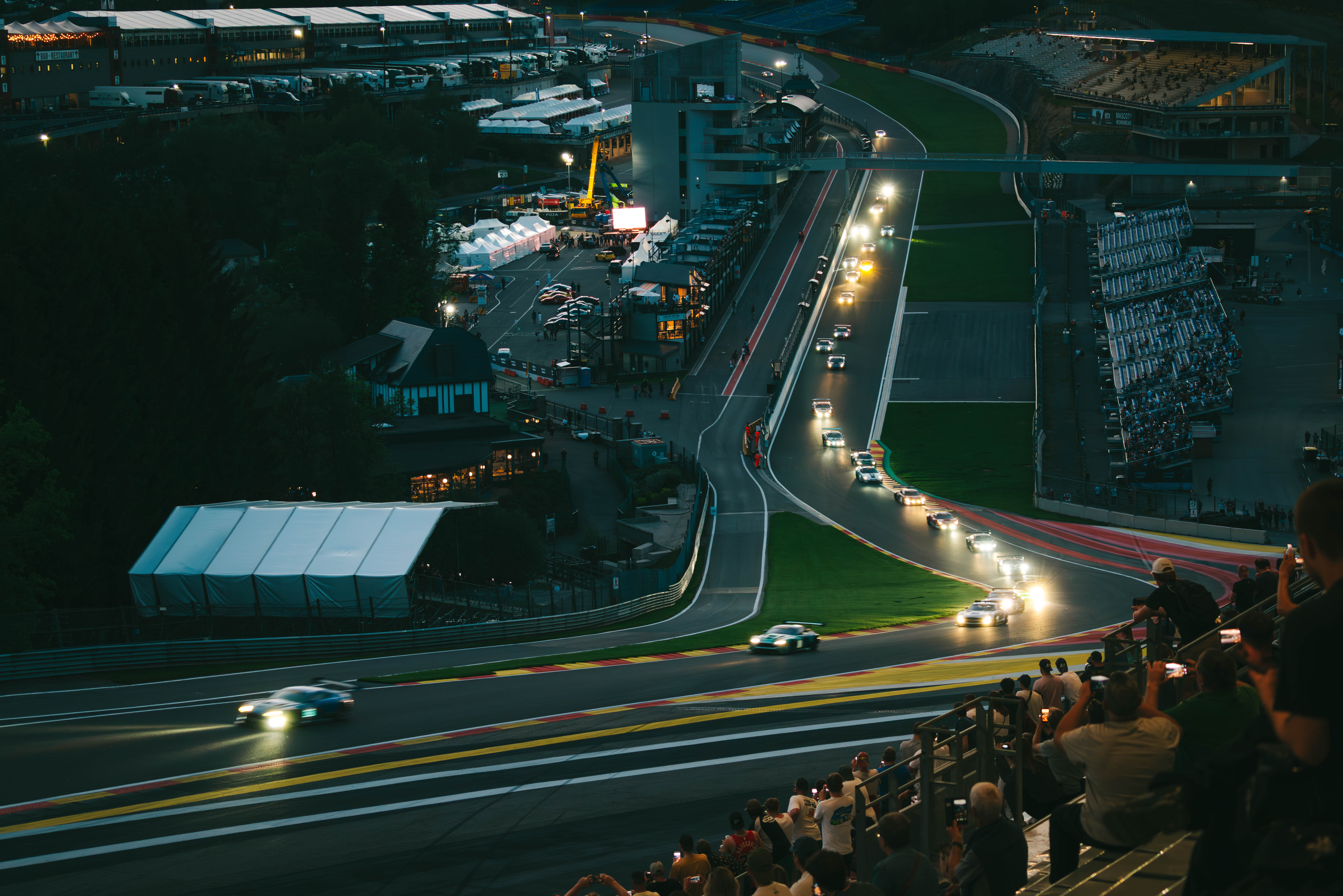
In 2027, Spa-Francorchamps will form part of a five-round calendar and is one of three confirmed events that will run alongside GT World Challenge powered by AWS. As well as a return to the Nürburgring, the series will also travel to Budapest to compete at the Hungaroring, which has recently undergone a full renovation of its pit facilities.
Teams and drivers wishing to get a taste for the GT3 Revival Series ahead of a 2027 entry can join the final two rounds of this season, both of which take place alongside GT World Challenge at the Nürburgring (29/30 August) and Barcelona (3/4 October). Cars homologated between 2006 and 2013 and eligible to participate in either the Pro-Am or Am classes, both of which have achieved consistently strong grid this year.
For more information, please contact gt3revivalseries@peter.fr and mariagiovanna.piva@sro-motorsports.com.